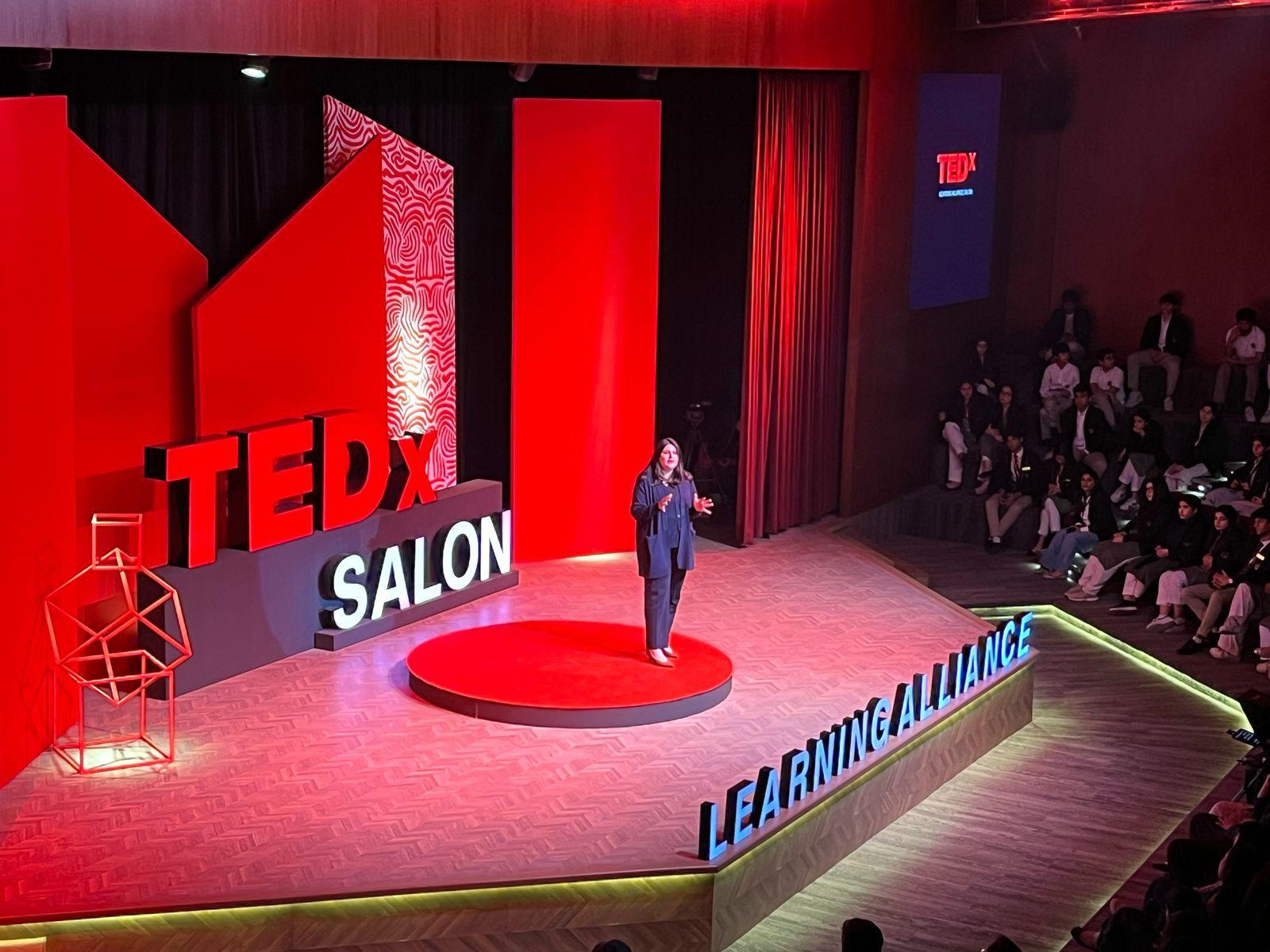

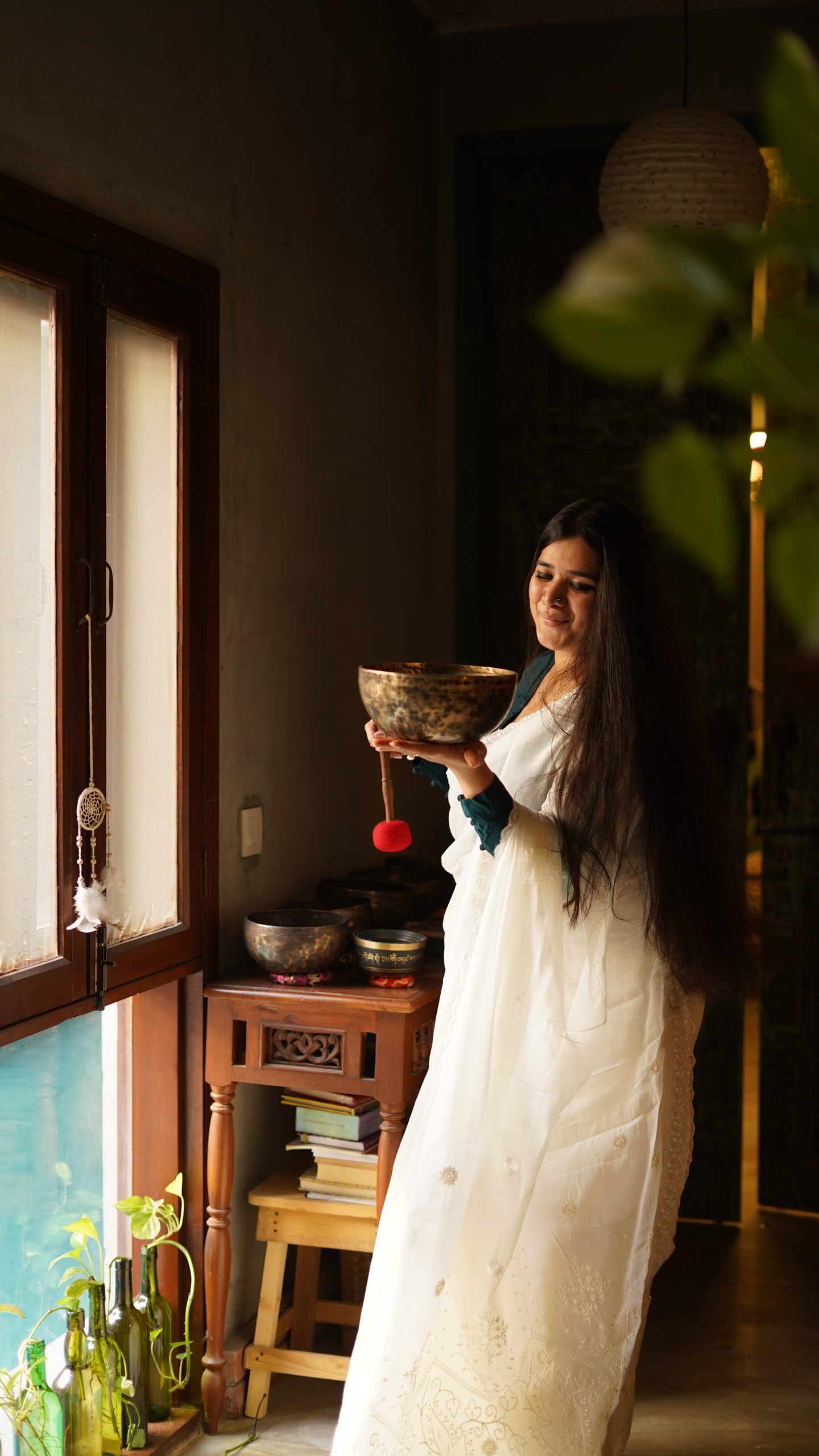
ZOYA AHMED – a Karachi- A Karachi based creative and cultural practitioner working at the intersection of storytelling, spatial design, and cultural expression.
|
Over the past decade, she has led and collaborated on art and public engagement projects — including her years with the German Consulate’s cultural department, where she curated exhibitions, symposiums, and international programs focused on women’s empowerment, heritage, and the arts.


Whether designing soulful interiors, hosting meaningful gatherings, bringing community together or crafting immersive cultural experiences, she creates with intention and a deep sensitivity to space, emotion, and story. Karachi, in all its layered beauty and chaos, continues to shape and inspire her practice. She holds space for presence — through a restored doorway, a shared table, or a quiet moment — inviting others to slow down, connect, and feel rooted in something real. Tell us more about yourself! I’m Zoya Ahmed, a Karachi-based creative and cultural practitioner with a deep love for beauty, storytelling, and the quiet rituals that root us to our heritage. My journey has flowed across many forms — from working in the arts and cultural landscape to designing soulful spaces and curating art and creative experiences that bring people together through creativity, care, and intention. I believe in slow living, meaningful connections and the power of spaces to heal. Karachi, with all its grit and grace, is my muse. It pulses through my work — in the textures I choose, the stories I tell, and the communities I bring together. This city, with all its contrasts, teaches me daily about resilience, warmth, and the beauty of creating in the in-between.
I call my home a ‘sanctuary’, because that’s what it is for me. Sanctuary began as a deeply personal quest — to build a home that felt like a refuge, a gentle place where I could return to myself. After years of navigating chaos, both within and outside, I needed to carve out stillness. Over two years, I poured my heart into restoring and designing this space, sourcing local materials, honoring craftsmanship, and letting nature be my guide. But it didn’t stay just mine — it naturally became a space for others too. Artists, family and friends, travelers, and seekers began arriving, and Sanctuary opened its arms wider. It became a living cultural space — not because I planned it that way, but because its energy called for it. Its a space that honored stillness and connection. HOW DO YOU DEFINE “ART AND HERITAGE” IN YOUR OWN WORDS, AND WHAT DOES IT MEAN TO YOU PERSONALLY? To me, art and heritage are not static—they breathe. They live in the folds of a handwoven textile, in the scent of a slow-cooked meal passed down through generations, in the quiet rituals that shape our days. Heritage, for me, is memory made tangible—an emotional thread that binds us to those who came before. And art is the bridge. It carries these ancestral echoes forward, transforming them into something tenderly new. Through art, heritage doesn’t just survive—it evolves, pulses, and finds new language in the present moment. Can you walk us through your design philosophy or aesthetic choices? My design philosophy is rooted in feeling, texture, and soul. I don’t believe in perfect finishes—I believe in presence. I’m drawn to spaces that feel alive, that breathe with you. My home, The Sanctuary, is layered with local materials: terracotta tiles that hold warmth, exposed cement that feels honest, reclaimed wood, and old doors with stories etched into their grain. There’s an earthy rhythm that flows through the space—large windows that invite in sunlight, corners softened with shadows, and quiet nooks designed for pause. Nature is everywhere. It’s not an addition—it’s the essence. No matter where you stand, your eye will land on something green: a patch of thriving plants, vines spilling over shelves, or a water body that holds stillness. These are anchors. They ground us, offer breath in the rush, and remind us that beauty lies in presence. Bathrooms are given special love—each one feels like a cave sanctuary, a private retreat. My inspiration draws from my travels—boutique hotels, heritage homes, places that embraced imperfection with grace. Everything is intentional—but never rigid. It’s a living space, made for feeling, for resting, for being. ARE THERE PARTICULAR ELEMENTS, ARTIFACTS, OR CORNERS IN THE HOME THAT HOLD SPECIAL MEANING? Yes, so many. The veranda, where I host intimate workshops and sound baths and music jams and get-togethers , is one of my most beloved spaces. There’s an old mirror I restored—it stands tall in a corner where light meets reflection. It feels like an ancestor watching over me. My sound healing instruments — the Tibetan bowls and wind chimes — are part of my spiritual practice. Even the small ceramic cups for chai hold meaning; they come from potters I met across Pakistan. The space is full of memory-keepers. HOW DO ART AND CULTURE BREATHE THROUGH THE WALLS OF THIS SPACE ON A DAILY BASIS? Through people, through chai, through quiet rituals and soulful conversations around heritage — this space finds its breath. It’s in the table settings that honor our craft traditions, in the small, intentional gestures that make the everyday sacred. This space is never still; it lives and evolves with those who enter it. Whether it’s a guest sketching on the terrace, music drifting in from another room, or someone gently stirring a pot in the kitchen — art exists here in the quietest, most unassuming ways. Culture isn’t curated or put on display; it’s simply lived. It lingers in the rhythm of tea being poured, in stories shared at the table, in the scent of tuberoses, in the dance of light across brick and stone. Even our Airbnb guests become part of this unfolding narrative. Many are artists, writers, wanderers, seekers — each one adding their own spirit to the space. It’s a constant, beautiful exchange — a home that hums with memory, imagination, and shared presence. What kinds of experiences, workshops, or gatherings take place here? Everything from intimate supper clubs with chefs to flower arrangement workshops, sound baths, cultural talks, ghazal and qawwali get-togethers, collaborative art pop-ups, and story-sharing circles. The gatherings are intentionally small and heart-led. I curate with people I trust—chefs, artists, healers, friends. We explore food as emotion, craft as memory, and community as medicine. How does your space foster a sense of bonding and creative exchange among guests or visitors? I believe it’s the energy of the space itself that creates ease. People enter and instantly soften. There’s no pressure to perform or impress — just be. That opens the door to vulnerability, to honest conversations, to quiet inspiration. The home doesn’t shout — it listens. And in that listening, people find themselves. Some guests have written poetry here, some cooked, some wept, some painted. The exchange is not curated; it’s allowed. Can you share a moment or event that stands out—a story that moved you deeply? There was a moment during a Ramadan supper club when a guest who’d never experienced communal eating in such an intimate way sat in silence at the end, with tears in his eyes. He said, “I didn’t know I needed this kind of nourishment.” That stayed with me — the reminder that people are hungry for connection, for beauty, for presence. If my space can be a balm, even for a night for people around me, then it’s doing its work. |
 Can you tell us the story behind Sanctuary? How did it come into your life, and what inspired you to preserve it as a living cultural space?