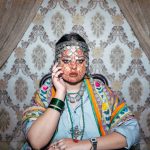
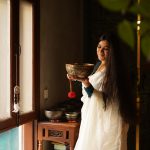

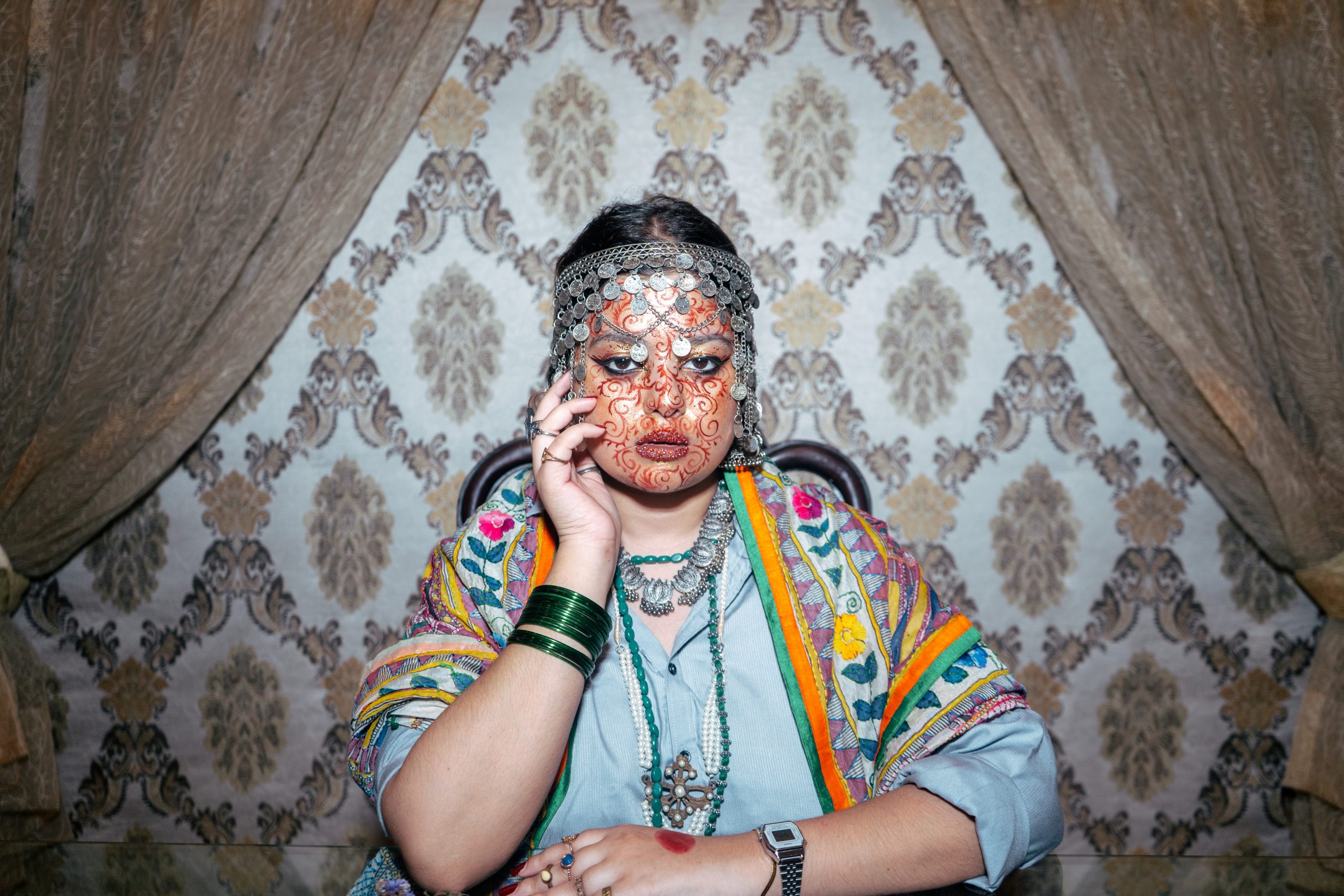
ABQURAH SHAUKAT – Photographer and Filmmaker
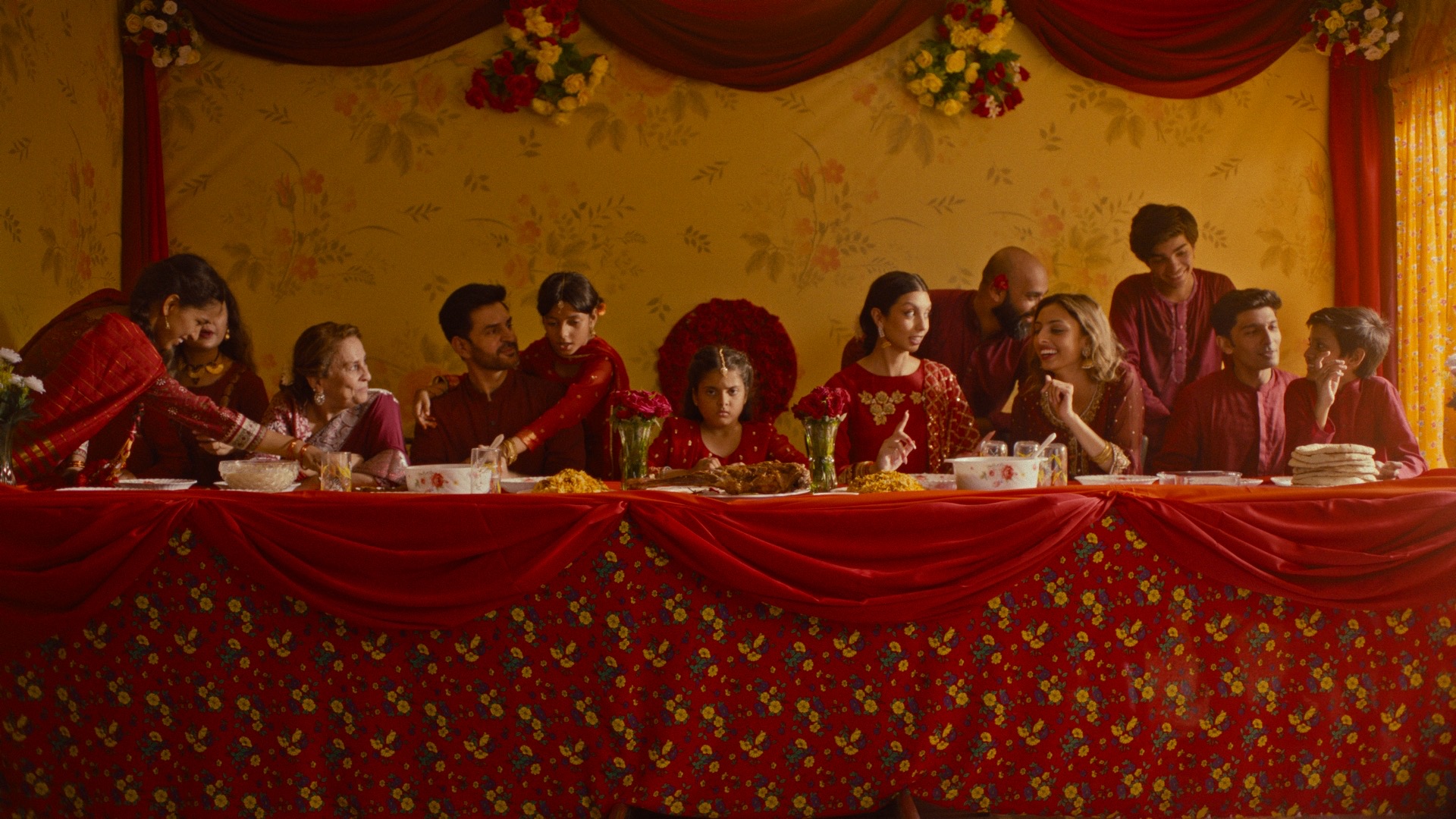
Abqurah Shaukat is a photographer and filmmaker whose practice is deeply rooted in the streets, the stories of womanhood, and the silences of Pakistan.
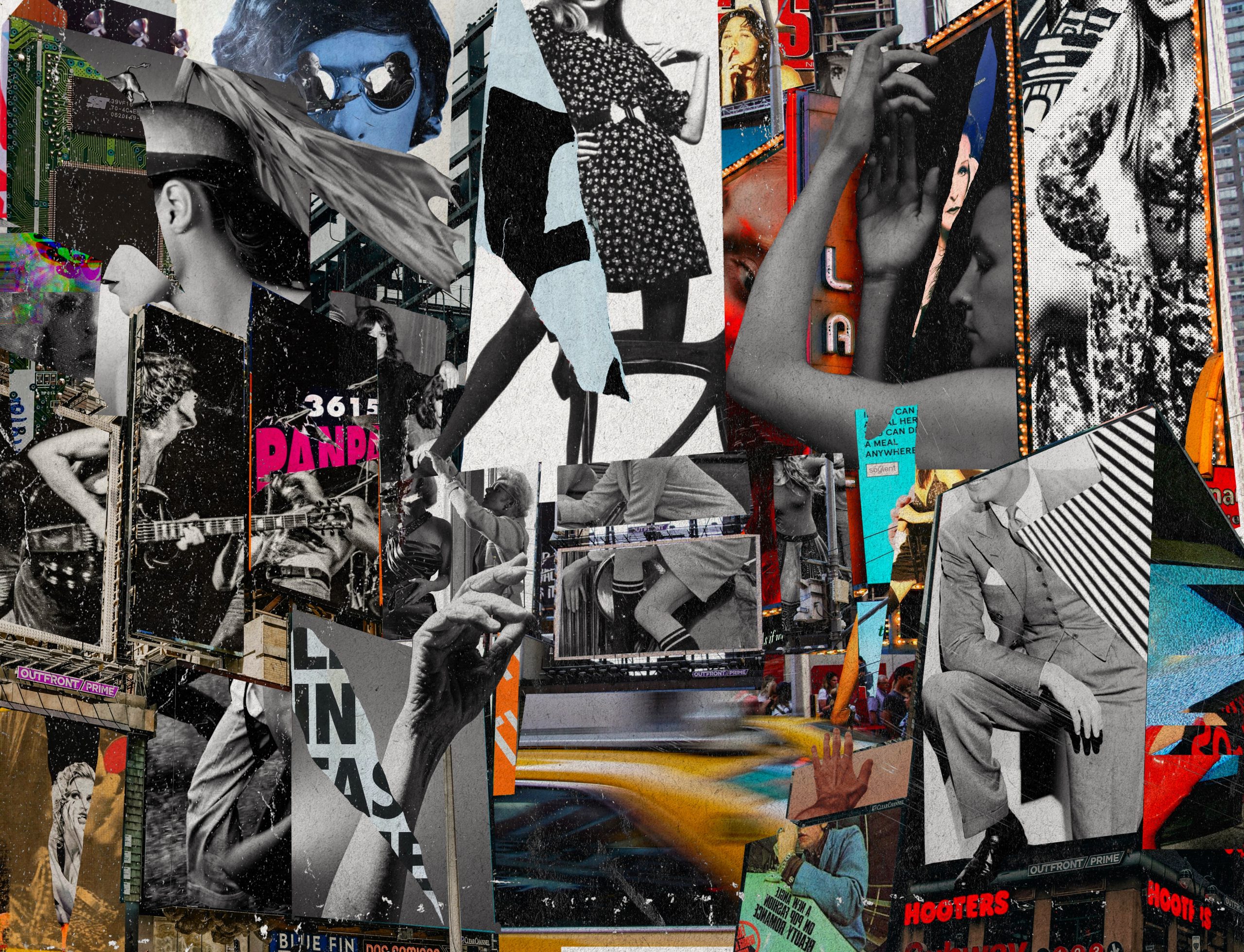
What began as a way to process noise and find stillness in nature gradually transformed into a journey of reclaiming space, particularly for women. Her work, steeped in nostalgia and resistance, embraces the female gaze and unfolds as visual poetry. Drawn to themes of memory, gender, and belonging, she frames her perspective not only as an artist but as a woman— using her lens to see, disrupt, and reshape the narrative.

What keeps you creating with so much intensity and honesty?
Since I was just 10 years old, I’ve harbored this dream of being a photographer, even before I truly grasped the idea of art as a career. Growing up, I found myself in an environment where creativity often took a backseat, treated more like a pastime than a passion. But once I decided to fully embrace this journey, I felt an obligation to the little girl I once was to give it everything I had. The path has been anything but smooth; that’s why I cherish every moment along the way. When I create, I do so with the heart of someone who has built their space from scratch.
My work is deeply infused with my feminist perspective. I resonate with the stories I tell, drawing on my own feelings, observations, and experiences. When I share my photography, the response from women has been heartwarming; I often
receive messages saying things like, “This made me feel seen.” It’s remarkable how this turns my personal ambition into a shared experience, fostering a sense of community and legacy.
Working alongside women clients fills me with pure joy. From making their moodboards come to life to directing them with intent, I always make sure that they are front and center because they deserve to shine. I still remember when Nighat Chaudhry told me how my joy translates into my photography; her words really struck a chord with me. Joy is so much more than just a feeling for me; it’s a powerful act of defiance.


What do you want people to feel or confront when they see your work?
To experience how women see other women, how they interact with a space. To feel represented. To feel a Pakistani woman and deep appreciation for culture. When my photographs place a woman on the street, in a gym or dhabas unapologetically, it questions the right of visibility, why do we have a drastic difference in ratios of men and women in public spaces? This drastic difference between men and women in public spaces bothers me too much. This is why I created a space called “Chashm-e-Zan” where we’re organising all women’s photowalks and retreats so those with the love of cameras can interact with the environment and photography in a safe non- judgemental space.
When I started photography, I was constantly judged and discouraged by men. I openly talk about these experiences on my instagram, even now they take it as their duty to mansplain which is so annoying, or generally show lack of trust, which is why I want my photographs and videos to be a testament to other women that we can do it as well.
Plus, I try to own Pakistani culture in terms of aesthetics, studying in art school, during photography courses, we constantly looked at western aesthetics and photographers which was wonderful but not relatable. Even my photography assignments drew more from west at that time, from dressing to very filmnoir aesthetics but slowly my work evolved and I started appreciating more of my own culture and environment and as it turned out, that’s exactly what I needed to be more inspired. I so appreciate the new age of Pakistani women photographers who helped me evolve through their own authentic work.
How do you channel female strength and presence through your lens?
I believe in honoring women instead of just capturing them as objects. Womanhood in Pakistan is a rich tapestry, woven with history, unspoken stories, and the heavy expectations that many of us carry. It frustrates me how often we’re reduced to one-dimensional portrayals or forced into performative roles. I’m all about rejecting those extremes.
My approach revolves around authenticity. I strive to capture women in their truest forms. I love asking them how they want to be seen and then channeling that energy into my work. It’s not about perfect poses; it’s about those raw, authentic moments when they feel completely themselves. My goal is to make sure they feel truly seen, heard, and understood, because that’s where real strength shines through, when they embrace their genuine selves.
When I choose to capture them while dancing, while being on streets, or in gyms, it reflects strength because for the longest time, we weren’t allowed to do much of this openly but now we’re capturing these journeys, that itself is presence and confidence.
In your view, what role does photography play in shifting narratives or breaking stereotypes?
Photography is a powerful tool, capable of amplifying voices or erasing them. In a society where women’s stories are often told through a male lens, it’s revolutionary for a woman to take that tool and declare, “Here’s my story.”
Men and women experience life differently in Pakistan, shaped by distinct expectations and limitations even within the same household. When women become storytellers, they deliver narratives rooted in lived experience. That’s why I see the camera as more than just equipment; it’s a key to authenticity.
Photography captures more than just the present; it preserves memory. Many women’s stories have been lost to time because no one documented them. That’s erasure. Now, with more women behind the lens, we’re documenting our lives in real time, preserving culture, identity, and emotions. We are archiving our experiences for ourselves and future generations.
What inspires you when the world feels loud or heavy?
My parents, I’m awfully close to them and my papa is the most supportive character throughout my story. According to him, he loves driving me from work because he loves when I tell him about my day in the car. When the world feels heavy, I hug him knowing that he’s going to take care of everything if I ever mess up makes me feel at ease. When I got a film grant from DAWN, he couldn’t stop telling people. And then comes my mama, she inspired me to be an independent woman. She worked all her life as a school principal and encouraged me. Once at a shadi someone asked her what does your daughter do? She proudly told them she’s a photographer, look her up on Instagram. With parents like these, I am privileged to not worry about anything else but work, so when the world is too heavy, they’re my escape and a reason to keep being inspired and keep moving forward.
What emotions or patterns show up again and again in your art?
Reclamation. Nostalgia. Rebellion. Those three themes always seem to appear in my work, even if I’m not intentionally trying to include them. There’s a constant ebb and flow in my storytelling between holding onto memories and reclaiming space, between tradition and disruption. I photograph Pakistani women in ways that assert, “We’ve always belonged here,” while also saying, “We’re changing the narrative now.” I carry a deep yearning for places that have never fully felt safe, combined with a defiance that demands to be seen.
Who’s a contemporary creative you look up to right now and why?
Khaula Jamil. She was the first Pakistani woman photographer I discovered in my teens, and her work made me think, “Wait… this is possible? I can do this too?” Meeting her at my photo exhibit, Tehqeeq, in 2022 was surreal; I was totally starstruck.
Khaula doesn’t just create beautiful images, she captures cities, people, and emotions. Her portrayal of Karachi is raw and real, and it shifted how I perceive my own city. She builds community, shares generously, and uplifts women in creative spaces. That’s the legacy I want to leave behind not just powerful images but also creativity shared.
Which artist (any field, any time) has left an imprint on your work or your soul? Maniza Naqvi especially her writings about Karachi.
Her writing makes the city feel like a person, filled with complexities and emotions. Through her stories, I found permission to embrace all the contradictions I experience as a Karachiite, like someone who longs to escape yet holds onto her roots.
Her work reminds me that every woman has layers worth exploring and that every place carries its own ghosts and memories. I strive to channel that kind of depth into my photography.
How do you navigate vulnerability and boldness in your creative life?
I’ve realized that vulnerability and boldness are not opposites; they go hand in hand.
Being bold doesn’t mean you have to have all the answers or be loud all the time. It’s about showing up as you are, even when things feel messy. This includes sharing uncomfortable moments like self-doubt or dealing with unsolicited advice from men in the industry.
Surprisingly, the more open I am, the stronger I feel. It builds trust and community, and it tells other women, “You’re not alone in this.”
We don’t have to hide our softness to perform strength. Our strength comes from allowing ourselves to feel, to break, to rebuild, and to keep moving forward. That’s where the real magic resides.
What advice would you give to young creatives, especially women, trying to own their space unapologetically?
Put your work out there. Speak your truth. Claim your space.
We live in a time when art doesn’t need a gallery or gatekeeper to be seen. Platforms like Instagram and YouTube are powerful; use them. Share your work, even if it’s not perfect. The only way to grow is to begin.
Find your community, those who will uplift you, hold space for you, and give you honest feedback. The creative journey can feel isolating, but it doesn’t have to be. Seek mentors and companions.
And please, stop waiting for permission. You already have what you need to start. Your story, your perspective, and your unique way of seeing the world are valuable. Don’t let anyone dim your light.