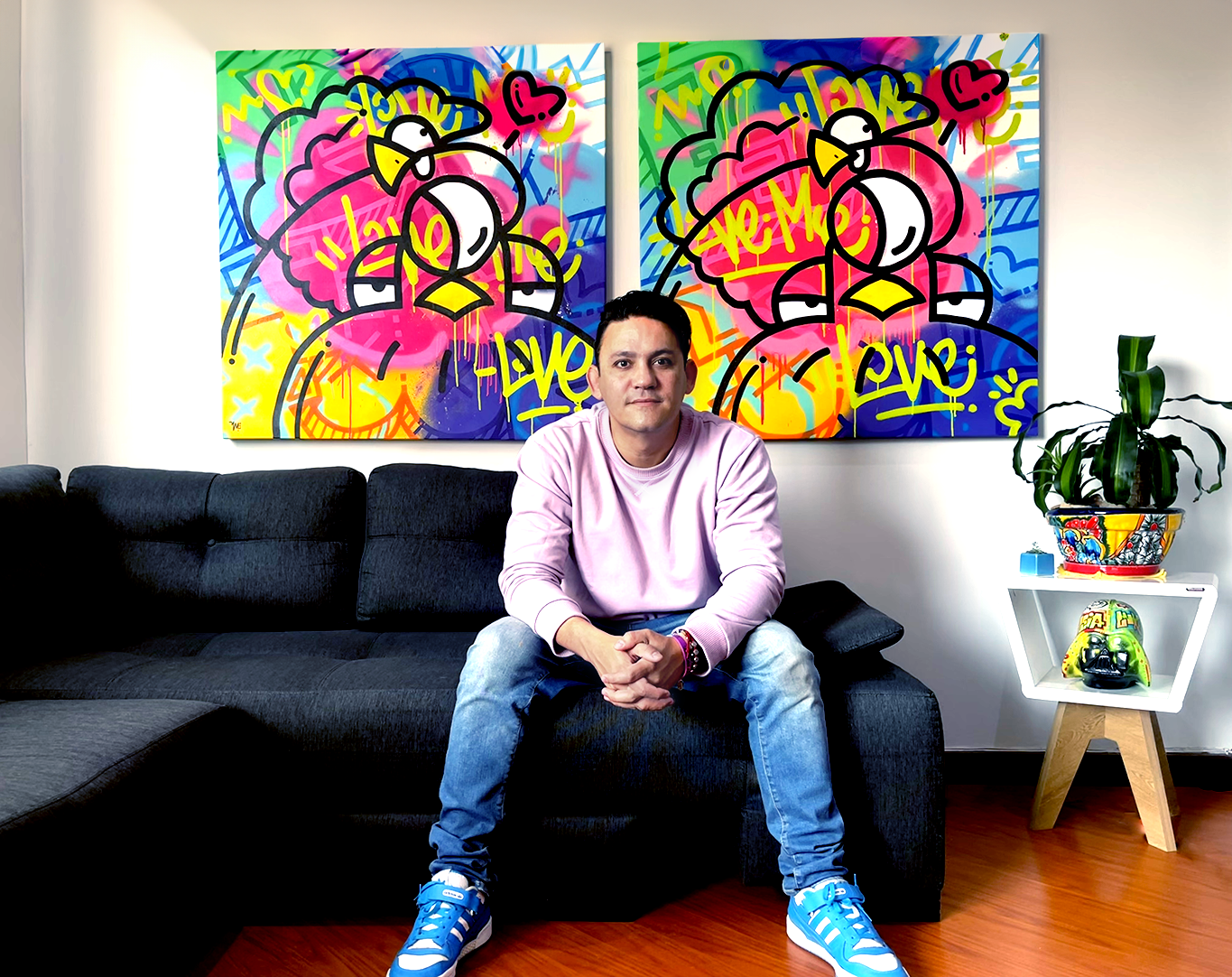
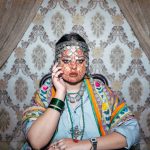
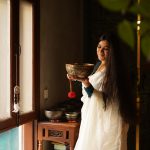
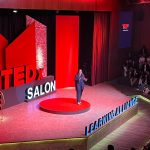
Hashim Ali – A PRODUCTION DESIGNER AND ART DIRECTOR— BUT AT HEART, HE CALLS HIMSELF A VISUAL STORYTELLER.
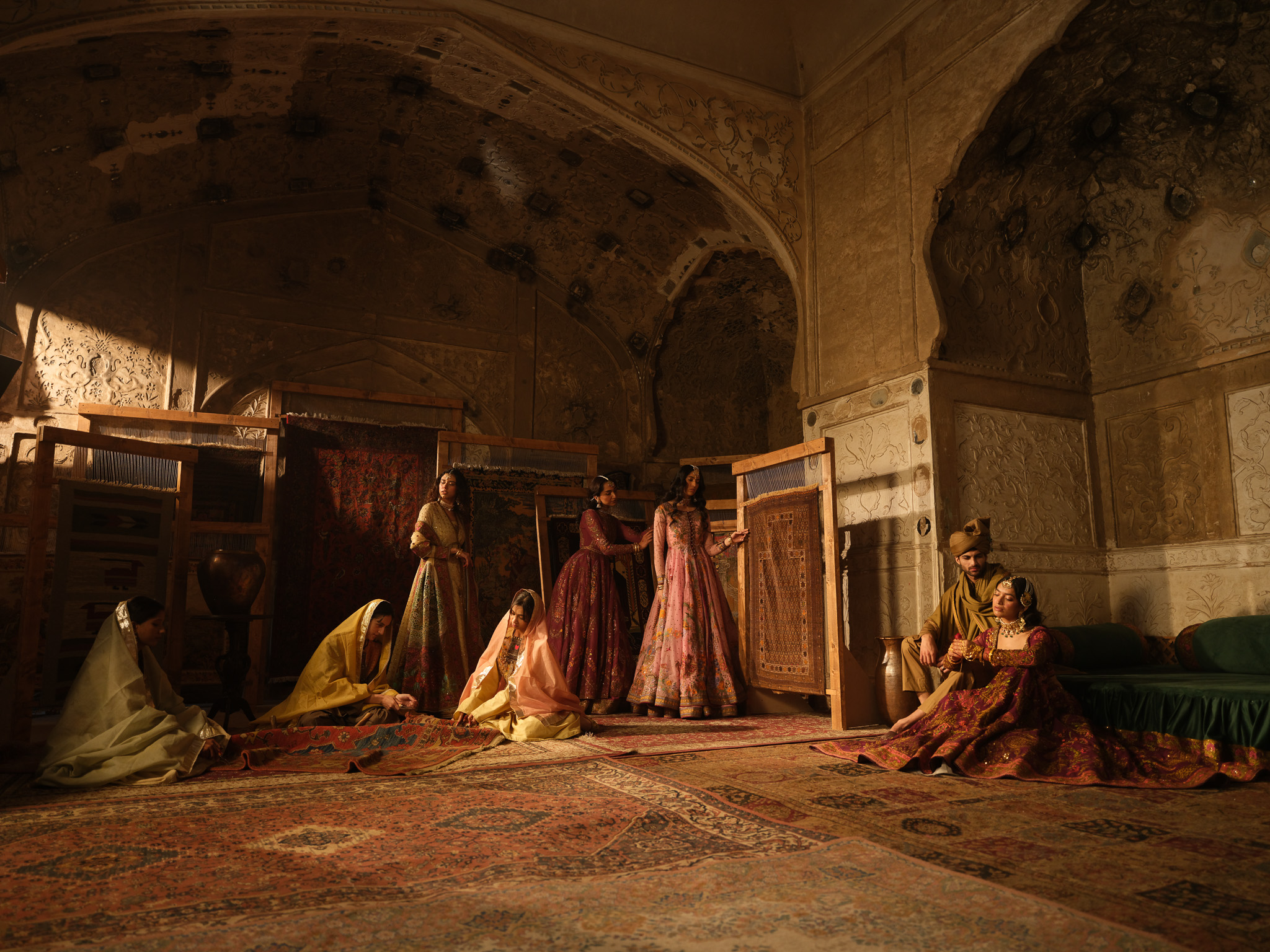
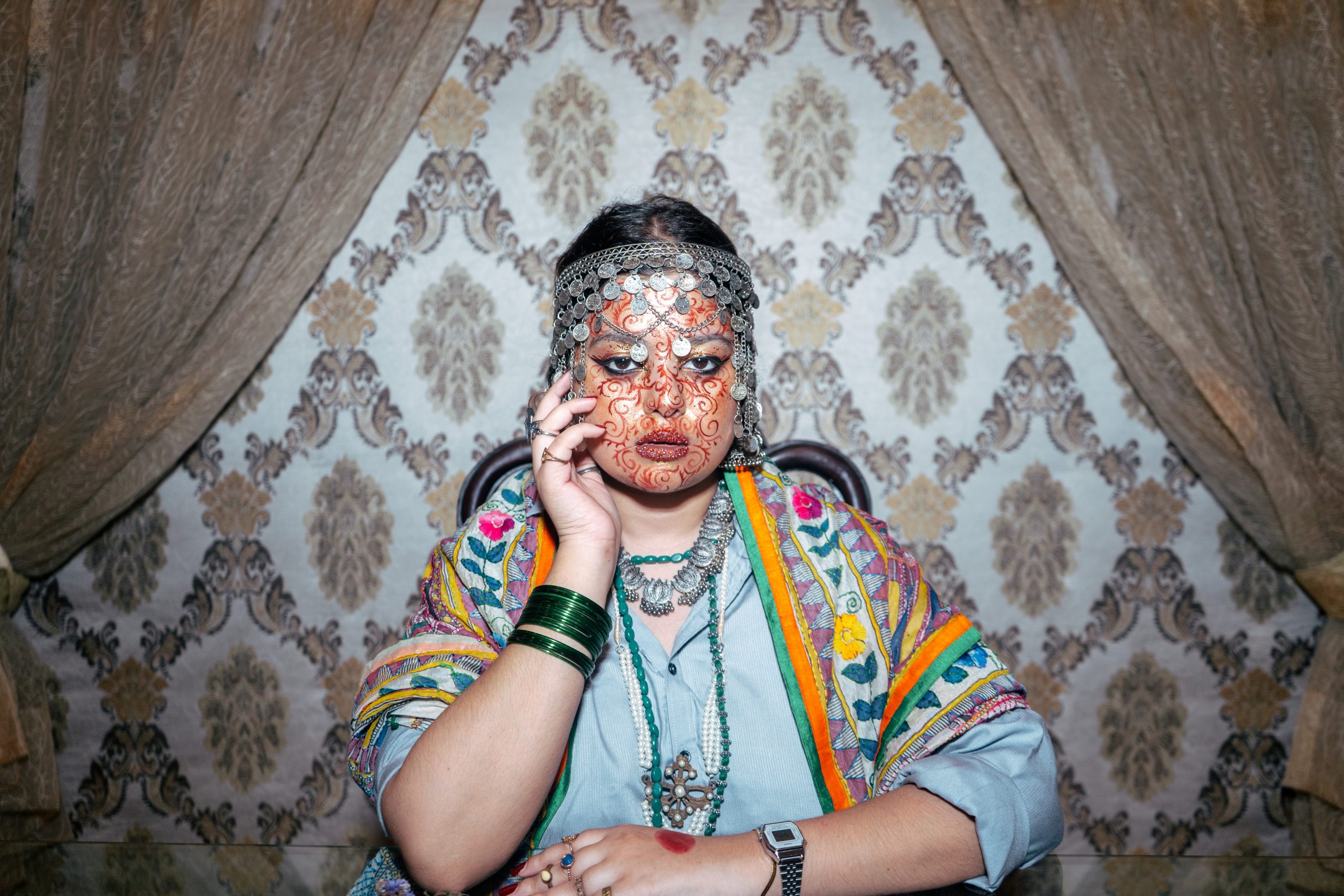
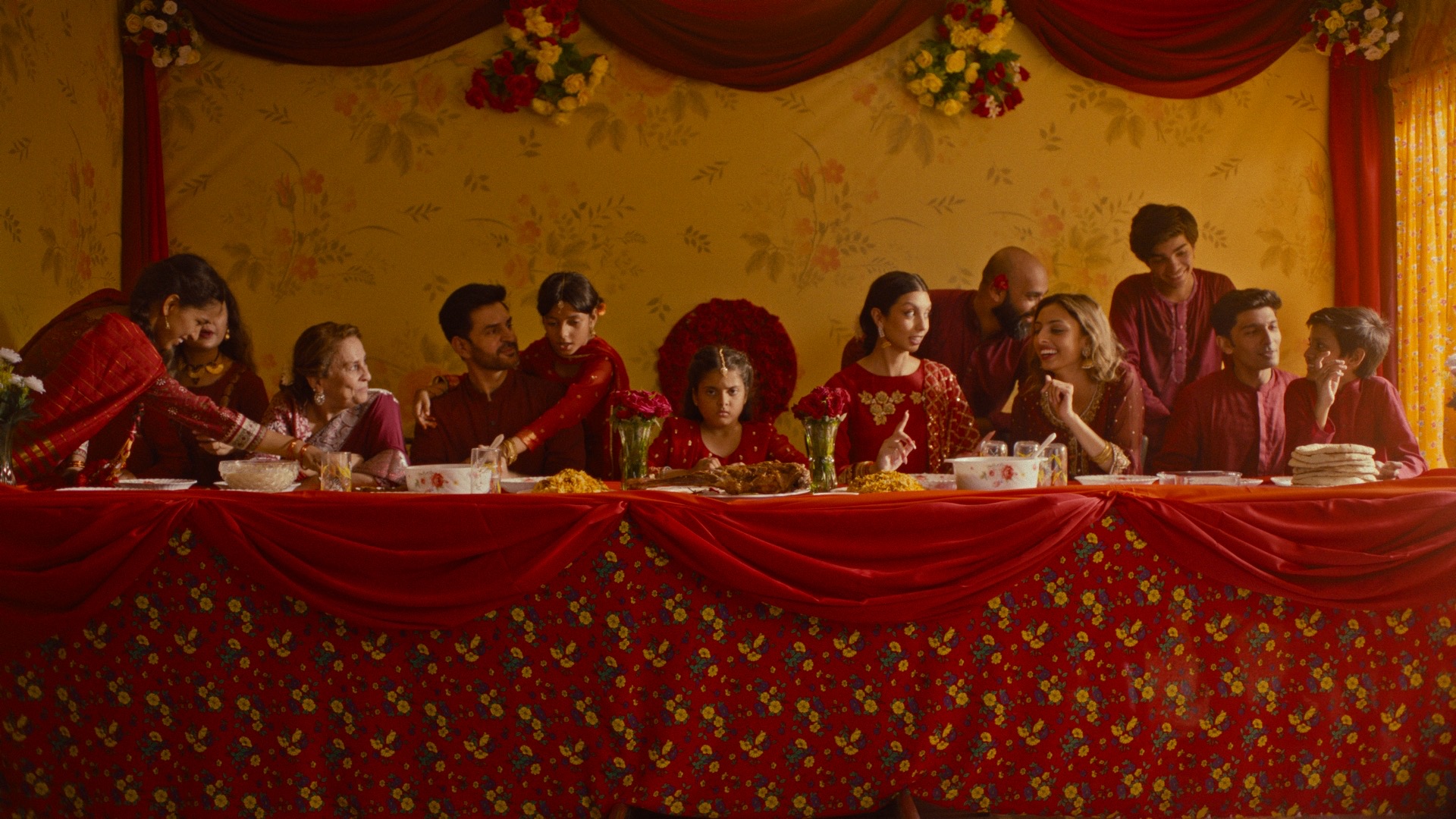
Hashim works across fashion, film, and music, creating visuals and building worlds that speak to deeper narratives.
He has always felt that the East was home to multidisciplinary minds— people who refused to be defined by a single label. A scientist was also a poet. An artist, a biologist. Singers were explorers. They sought answers not just for themselves, but for generations to come.
That spirit is what Hashim strives to carry forward. His work is a journey to reclaim the identity of the East as
a wellspring of creative expression —curious, limitless, and deeply rooted in storytelling.
We asked Hashim some questions to get to know him better and here is what he had to say:
Q. What keeps you going, what drives you to wake up and start creating every day?
I see the world around us going through so much, both physically and mentally. And in my own small, maybe even silly way, I want to help make it feel a little more whole.
One of my biggest dreams is to see Pakistan recognized on the world map as a true creative hub. A place where young creatives want to stay, not leave; where we build spaces, opportunities, and ecosystems that make people believe they can grow here, create here, thrive here.
I want to tell the stories we’ve forgotten, and show visuals we’ve been made to believe we’re not capable of producing. The dream? That one day, an executive sitting halfway across the world turns around and says, “We want the creatives from Pakistan.” And they come here. That big film giants and global platforms look to our talent when they want something bold, fresh, and deeply rooted.
If the Indus Valley civilization, the Mughals, the Sikh and Hindu empires from this same land once led in art, architecture, and culture , then why not us? We’re the continuation of that same legacy. It’s time we own it.
Q. In your view, how can art and creativity contribute to meaningful change in society?
Art has the power to move hearts and speak truths where words fall short. While working on Seasons 14 and 15 of Coke Studio, we used music and visuals as a way to start a conversation, to bring fresh eyes to Pakistan’s present- day culture. Not just for the world outside, but for ourselves. Because somewhere along the way, we began to forget. We forgot parts of our history.
We travel out of Pakistan, but rarely within it.
Art holds the power to shift society not because it deals in absolutes, but because it lives in the in-betweens.
In the millions of hues that exist between black and white.
It doesn’t give answers, it sparks questions. It opens doors. And those quiet beginnings, those little nudges of curiosity, become ripples, ripples that, over time, reshape the fabric of who we are.
Q. How do you stay creatively inspired, especially during challenging times?
I take a breather. I stop. I pause. And I remind myself that behind every struggle, every challenge, there’s a bit of beauty and always a lesson.
I keep a visual journal that I turn to in those moments. It’s full of scribbles, notes, half-formed ideas , some of them feel silly or pointless when I first put them down. But when things get tough, flipping through those pages brings me back to myself.
Sometimes I pick up a book I left unfinished, or I’ll just head out to a park and let myself breathe. Whatever it is, I’ve learned that slowing down is part of moving forward.
Q. What recurring themes, emotions, or questions show up in your work?
I think the work I’m most proud of often circles around a few quiet, persistent themes : South Asian identity, the intimacy of human connection, and the tender space where something ends and something else begins.
Q. Who is your all-time favorite artist, someone whose legacy has moved you?
Amrita Sher-Gil, the painter from Lahore whose brush captured longing so beautifully, Empress Nur Jehan, a true pioneer of the arts, who shaped culture with quiet power; and Sandro Botticelli, whose work still feels like a dream whispered onto canvas.
Q. What role does art play in your personal life and in your sense of self?
I don’t think I could exist in a world without art. I can’t imagine waking up without this quiet, powerful form of expression—it’s how I make sense of everything. Art isn’t just something I do; it’s how I breathe, how I live.
Q. What message or words of advice would you like to offer to young, aspiring creatives navigating today’s world?
Never stop creating. Don’t let the hurdles make you pause for too long. Try to see them as moments of growth, as quiet invitations to look deeper.
Create what you feel. Your way of seeing the world is entirely your own, and that’s your strength. We could all read the same words, see the same image, or share the same experience but what stays with each of us will be different. That difference is beautiful.
We might be biologically similar, but even our thumbprints are unique. So trust your uniqueness. It’s what sets you apart. It’s what makes your voice, your vision, truly matter.
Q. In today’s day and age, how do you stay relevant and keep a balance between traditional art and technology?
I don’t think we should ever shut the door on new ideas or innovations. They’re tools—ones that can support us in the way we create and share our work.
I try to stay curious, to keep learning, whether it’s new ways of creating, connecting, or even marketing. And more than anything, I learn from those younger than me. They carry the future with them.
I believe in growing together, side by side—not from above, but alongside one another.